 Diabetes
 Gestational Diabetes
 Pediatric Diabetes
 Thyroid Disorders
 Obesity
 Short Stature
 Infertility
 Hirsutism
 Hypogonadism (Delayed
puberty)
Hypogonadism (Delayed
puberty)
 Polycystic Ovarian
Disorder
Polycystic Ovarian
Disorder
 Osteoporosis
 Menopausal Problems
 Sexology Disorder
 Pituitary and
adrenal disorder
Pituitary and
adrenal disorder
 parathyroid, osteoporosis
and other metabolic bone
diseases
parathyroid, osteoporosis
and other metabolic bone
diseases
Diabetes
Diabetes
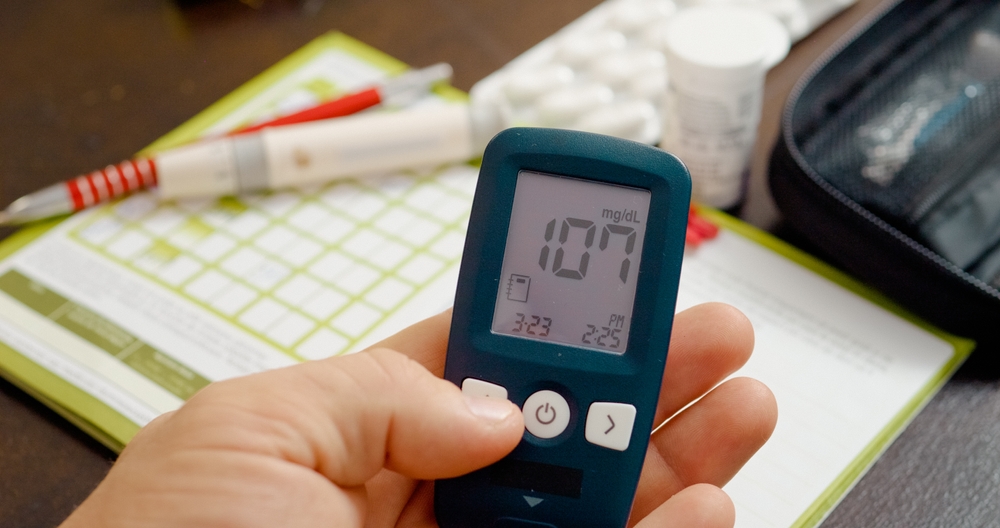
Diabetes is a condition in which the body doesn't produce enough insulin to meet its needs, or the body's cells don't respond properly to the insulin that is produced. Insulin is important because it moves glucose — a simple sugar — from the blood into the body's cells, and also affects several other aspects of metabolism.
The food we eat provides the body with glucose, which cells use as their main source of energy. If insulin isn't available, or doesn't work correctly to move glucose from the blood into cells, glucose builds up in the blood. High blood glucose levels are harmful over time, and cells that don't receive enough glucose lack the fuel they need to function properly.
There are two main kinds of diabetes: Type 1 diabetes and Type 2 diabetes. More than 90% of people with diabetes have Type 2. Diabetes is rising rapidly, and a large share of people with Type 2 diabetes are unaware they have the condition, since early symptoms are often not noticeable without testing.
Type 1 diabetes occurs when the pancreas cannot make insulin. Everyone with Type 1 diabetes requires insulin injections. It is most often diagnosed during childhood or adolescence.
Type 2 diabetes occurs when the pancreas does not make enough insulin, or the body does not use insulin properly. It usually occurs in adults, though children can be affected too. People with Type 2 diabetes often have a family history of the condition, and many are overweight or obese. Some people with Type 2 diabetes may eventually need insulin injections as well.
Signs and Symptoms
Some of the signs and symptoms of Type 1 and Type 2 diabetes are:
- Increased thirst
- Frequent urination
- Extreme hunger
- Unexplained weight loss
- Constant fatigue
- Irritability
- Blurred vision
- Slow-healing sores or wounds
- Frequent infections, such as gum, skin, or urinary infections
- Tingling or numbness in the hands or feet