 Diabetes
 Gestational Diabetes
 Pediatric Diabetes
 Thyroid Disorders
 Obesity
 Short Stature
 Infertility
 Hirsutism
 Hypogonadism (Delayed
puberty)
Hypogonadism (Delayed
puberty)
 Polycystic Ovarian
Disorder
Polycystic Ovarian
Disorder
 Osteoporosis
 Menopausal Problems
 Sexology Disorder
 Pituitary and
adrenal disorder
Pituitary and
adrenal disorder
 parathyroid, osteoporosis
and other metabolic bone
diseases
parathyroid, osteoporosis
and other metabolic bone
diseases
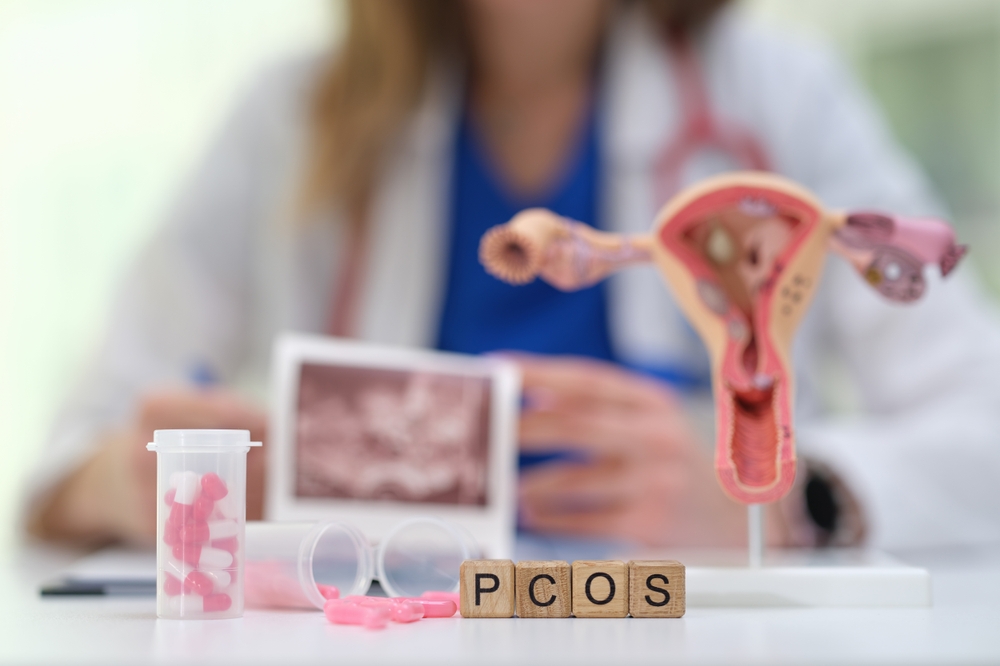
Polycystic Ovarian Disorder
Polycystic Ovarian Disorder
PCOS is a problem with hormones that affects women during their childbearing years (ages 15 to 44). Between 2.2 and 26.7 percent of women in this age group have PCOS.
Many women have PCOS but don't know it. In one study, up to 70 percent of women with PCOS hadn't been diagnosed.
PCOS affects a woman's ovaries, the reproductive organs that produce estrogen and progesterone — hormones that regulate the menstrual cycle. The ovaries also produce a small amount of male hormones called androgens.
Understanding PCOS
The ovaries release eggs to be fertilized by a man's sperm. The release of an egg each month is called ovulation.
Follicle-stimulating hormone (FSH) and luteinizing hormone (LH) control ovulation. FSH stimulates the ovary to produce a follicle — a sac that contains an egg — and then LH triggers the ovary to release a mature egg.
PCOS is a "syndrome," or group of symptoms that affects the ovaries and ovulation.
Three Main Features of PCOS
- Cysts in the ovaries — Many small, fluid-filled sacs grow inside the ovaries. The word "polycystic" means "many cysts."
- High levels of male hormones — Elevated androgen levels disrupt normal ovarian function.
- Irregular or skipped periods — Menstrual cycles are often infrequent, irregular, or absent.
How PCOS Works
In PCOS, many small, fluid-filled sacs grow inside the ovaries. These sacs are actually follicles, each one containing an immature egg. The eggs never mature enough to trigger ovulation.
The lack of ovulation alters levels of estrogen, progesterone, FSH, and LH. Estrogen and progesterone levels are lower than usual, while androgen levels are higher than usual.
Extra male hormones disrupt the menstrual cycle, so women with PCOS get fewer periods than usual.
Common Symptoms of PCOS
- Irregular menstrual cycles — Fewer than 8 periods per year or cycles longer than 35 days
- Excess androgen — Hirsutism (excess facial/body hair), acne, or male-pattern balding
- Polycystic ovaries — Enlarged ovaries with multiple small cysts
- Weight gain — Difficulty losing weight or unexplained weight gain
- Insulin resistance — Leading to diabetes risk
- Infertility — Difficulty getting pregnant due to irregular ovulation
- Skin changes — Acanthosis nigricans (dark, velvety skin patches)
When Should You Seek Evaluation?
Consider consulting a specialist if you experience:
- Irregular or absent menstrual periods
- Difficulty getting pregnant
- Excessive hair growth on face, chest, or back
- Severe acne or oily skin
- Weight gain or difficulty losing weight
- Thinning hair or male-pattern balding
- Dark patches of skin on the neck or other areas
Diagnosis & Treatment
Diagnosis typically involves a combination of:
- Medical History & Physical Examination — Including assessment of symptoms and BMI
- Hormonal Blood Tests — To check levels of androgens, LH, FSH, estrogen, progesterone, thyroid hormones, and prolactin
- Glucose Tolerance Test — To assess for insulin resistance and diabetes
- Pelvic Ultrasound — To visualize the ovaries and check for cysts
Treatment is tailored to individual symptoms and goals:
- Lifestyle Modifications — Weight loss (5-10%) and exercise can significantly improve symptoms
- Hormonal Contraceptives — Birth control pills to regulate cycles and reduce androgen levels
- Anti-Androgen Medications — Such as spironolactone to reduce excess hair growth and acne
- Insulin-Sensitizing Agents — Metformin to improve insulin sensitivity and ovulation
- Fertility Medications — Clomiphene or letrozole to induce ovulation
- Cosmetic Treatments — Laser hair removal or electrolysis for hirsutism
As a Consultant Endocrinologist, I specialize in the comprehensive management of PCOS, helping women manage their symptoms, reduce long-term health risks, and achieve their reproductive goals.