
 Diabetes
 Gestational Diabetes
 Pediatric Diabetes
 Thyroid Disorders
 Obesity
 Short Stature
 Infertility
 Hirsutism
 Hypogonadism (Delayed
puberty)
Hypogonadism (Delayed
puberty)
 Polycystic Ovarian
Disorder
Polycystic Ovarian
Disorder
 Osteoporosis
 Menopausal Problems
 Sexology Disorder
 Pituitary and
adrenal disorder
Pituitary and
adrenal disorder
 parathyroid, osteoporosis
and other metabolic bone
diseases
parathyroid, osteoporosis
and other metabolic bone
diseases
Gestational Diabetes
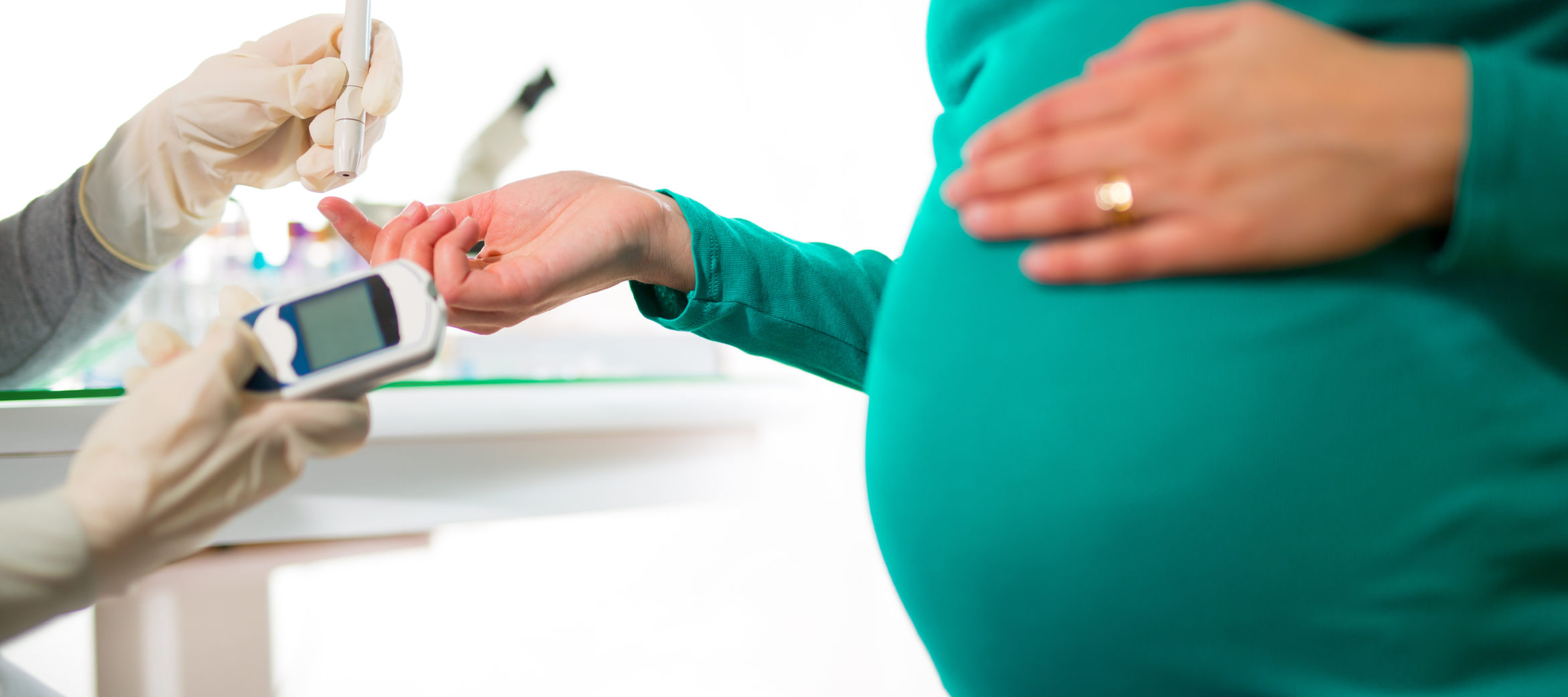
Gestational Diabetes
Gestational diabetes is a type of diabetes that develops during pregnancy in women who did not have diabetes before. It happens when the body cannot produce enough insulin to meet the extra demands of pregnancy, causing blood glucose levels to rise. With the right monitoring and care, most women with gestational diabetes go on to have healthy pregnancies and healthy babies.
During pregnancy, the placenta produces hormones that help the baby grow, but these same hormones can also block the action of the mother's insulin — a condition known as insulin resistance. In most women, the pancreas produces enough extra insulin to overcome this resistance. When it can't keep up, blood glucose rises and gestational diabetes develops, usually detected through routine screening between the 24th and 28th week of pregnancy.
Gestational diabetes is usually manageable through blood sugar monitoring, a balanced diet, and regular physical activity, though some women may also need medication or insulin to keep glucose levels within a safe range. It typically resolves after delivery, but it does raise the mother's future risk of Type 2 diabetes, which is why follow-up testing after childbirth is important.
Why does it matter? Uncontrolled blood sugar during pregnancy can lead to a larger-than-average baby, premature birth, low blood sugar in the newborn after delivery, and a higher chance of needing a C-section. Good glucose control significantly reduces these risks for both mother and baby.
Risk Factors
You may be at higher risk of developing gestational diabetes if you have:
- A family history of diabetes
- Been overweight before pregnancy
- Had gestational diabetes in a previous pregnancy
- Previously given birth to a baby weighing more than 4 kg (9 lbs)
- PCOS (Polycystic Ovarian Syndrome)
- Age above 25 at the time of pregnancy
Signs and Symptoms
Gestational diabetes often has no noticeable symptoms, which is why routine screening during pregnancy is so important. When symptoms do appear, they may include:
- Increased thirst
- Frequent urination
- Fatigue
- Blurred vision
- Frequent infections, such as urinary or vaginal infections
How We Manage It
Care for gestational diabetes is built around regular blood glucose monitoring, personalized dietary guidance, safe physical activity, and close follow-up throughout the remainder of the pregnancy. If lifestyle measures aren't enough to keep glucose levels in range, insulin therapy is introduced — it is safe for use during pregnancy and does not cross the placenta. After delivery, a follow-up glucose test is recommended to confirm that blood sugar has returned to normal.