
 Diabetes
 Gestational Diabetes
 Pediatric Diabetes
 Thyroid Disorders
 Obesity
 Short Stature
 Infertility
 Hirsutism
 Hypogonadism (Delayed
puberty)
Hypogonadism (Delayed
puberty)
 Polycystic Ovarian
Disorder
Polycystic Ovarian
Disorder
 Osteoporosis
 Menopausal Problems
 Sexology Disorder
 Pituitary and
adrenal disorder
Pituitary and
adrenal disorder
 parathyroid, osteoporosis
and other metabolic bone
diseases
parathyroid, osteoporosis
and other metabolic bone
diseases
Pituitary and Adrenal Disorder
Pituitary and Adrenal Disorder
If you are facing a disorder of the pituitary or adrenal gland, you want to know that you are getting the best care possible.
The pituitary and adrenal glands are responsible for releasing hormones into your body. Hormones control many important functions. If you have a disorder of the pituitary or adrenal gland, you are either making too much or not making enough of a certain hormone. A doctor trained in treating people with hormone problems, called an endocrinologist, can help diagnose and treat these disorders.
Adrenal Gland Disorders
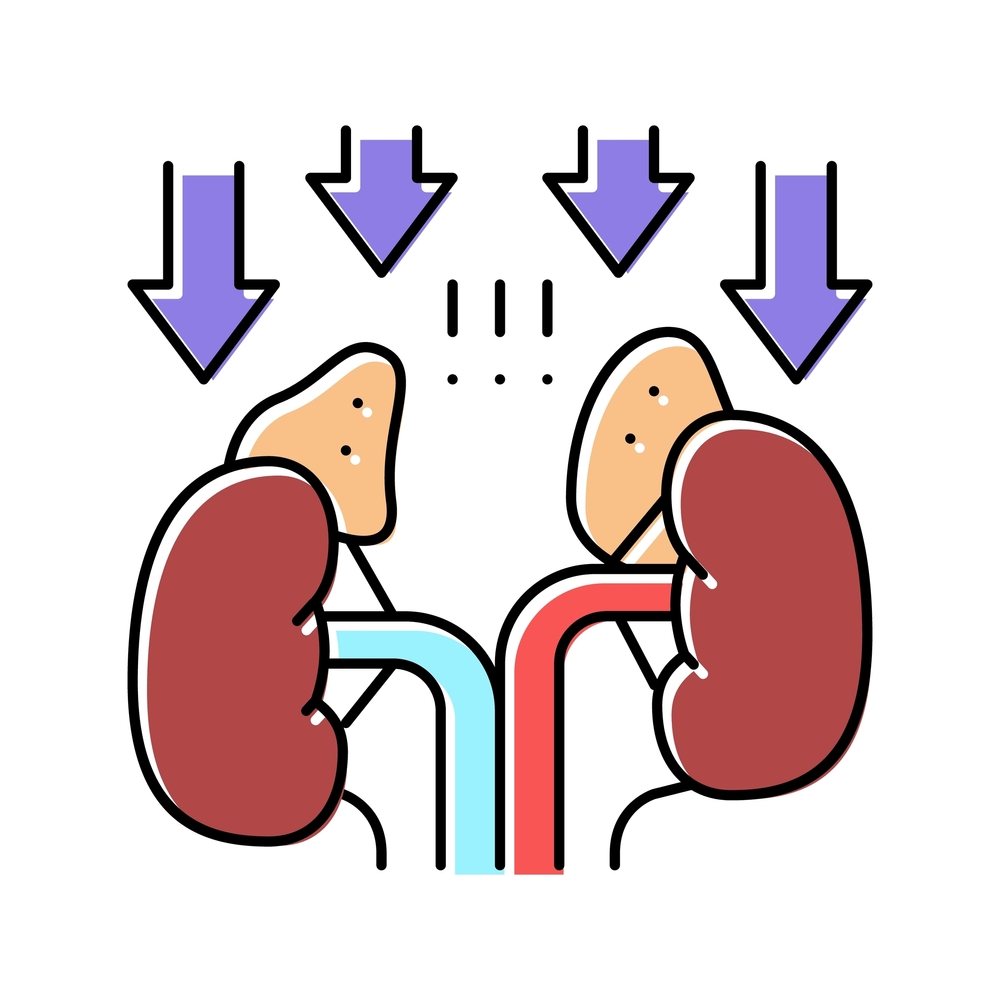
Your adrenal glands are located on top of each kidney. These glands release hormones that you can't live without like:
- Cortisol
- Aldosterone
- Adrenaline
- Noradrenaline
These hormones are important because they control things like:
- The balance of salt and water
- Your fight or flight response
- Sexual maturation during puberty
- Metabolic processes like blood sugar control
Addison's Disease and Cushing's Syndrome
Addison's Disease happens when your glands do not make enough of the hormone cortisol. Symptoms include:
- Weight loss
- Muscle weakness
- Fatigue
- Low blood pressure
A blood test can show if you have Addison's Disease. It can be treated by taking hormone replacement medicine every day.
Cushing's Syndrome is an adrenal gland disorder where your glands make too much of the hormone cortisol. Symptoms include:
- Weight gain in the upper body
- High blood pressure
- High blood sugar
- Bruising easily
- Muscle weakness
A blood test can show if you have Cushing's syndrome. Treatment depends on what is causing the syndrome. If it is caused by tumors, treatment may include surgery, medication, chemotherapy or radiation. If the syndrome is caused by medicine taken to treat another disorder, your doctor will change your dose or give you another medicine.
Pituitary Disorders
Your pituitary gland is at the base of your brain. It makes many important hormones that your body needs to function like:
- Prolactin
- Growth hormone
- Thyroid-stimulating hormone
- Oxytocin
These hormones are important because they control things like:
- Breast milk production for women
- Growth in childhood
- Stress
- The hormones that control your thyroid gland
- Sperm production in men and egg production in women
Pituitary Tumors
Pituitary tumors are the most common pituitary gland disorder. A tumor on the pituitary gland can either cause the gland to produce too much of a hormone or too little of a hormone. A tumor can be treated with surgery, radiation or medication.
Common Symptoms of Pituitary and Adrenal Disorders
- Adrenal disorders — Fatigue, weight changes, muscle weakness, low or high blood pressure, salt craving, skin changes
- Pituitary disorders — Headaches, vision problems, growth abnormalities, menstrual changes, infertility, fatigue
When Should You Seek Evaluation?
Consider consulting a specialist if you experience:
- Unexplained weight loss or weight gain
- Persistent fatigue or muscle weakness
- High or low blood pressure without obvious cause
- Changes in menstrual cycle or fertility issues
- Growth problems in children
- Sudden onset of severe headaches or vision changes
- Unexplained bruising or skin changes
Diagnosis & Treatment
Evaluation typically includes:
- Blood and Urine Tests — To measure hormone levels
- Imaging Studies — MRI or CT scans to visualize the pituitary or adrenal glands
- Stimulation or Suppression Tests — To assess gland function
Treatment depends on the specific disorder and may include:
- Hormone Replacement Therapy — For hormone deficiencies
- Medications — To block excess hormone production or treat tumors
- Surgery — To remove tumors or affected glands
- Radiation Therapy — For tumors not surgically removable
As a Consultant Endocrinologist, I specialize in the comprehensive diagnosis and management of pituitary and adrenal disorders. These conditions require specialized care to properly balance hormone levels and ensure optimal health outcomes.