 Diabetes
 Gestational Diabetes
 Pediatric Diabetes
 Thyroid Disorders
 Obesity
 Short Stature
 Infertility
 Hirsutism
 Hypogonadism (Delayed
puberty)
Hypogonadism (Delayed
puberty)
 Polycystic Ovarian
Disorder
Polycystic Ovarian
Disorder
 Osteoporosis
 Menopausal Problems
 Sexology Disorder
 Pituitary and
adrenal disorder
Pituitary and
adrenal disorder
 parathyroid, osteoporosis
and other metabolic bone
diseases
parathyroid, osteoporosis
and other metabolic bone
diseases
Hirsutism
Hirsutism
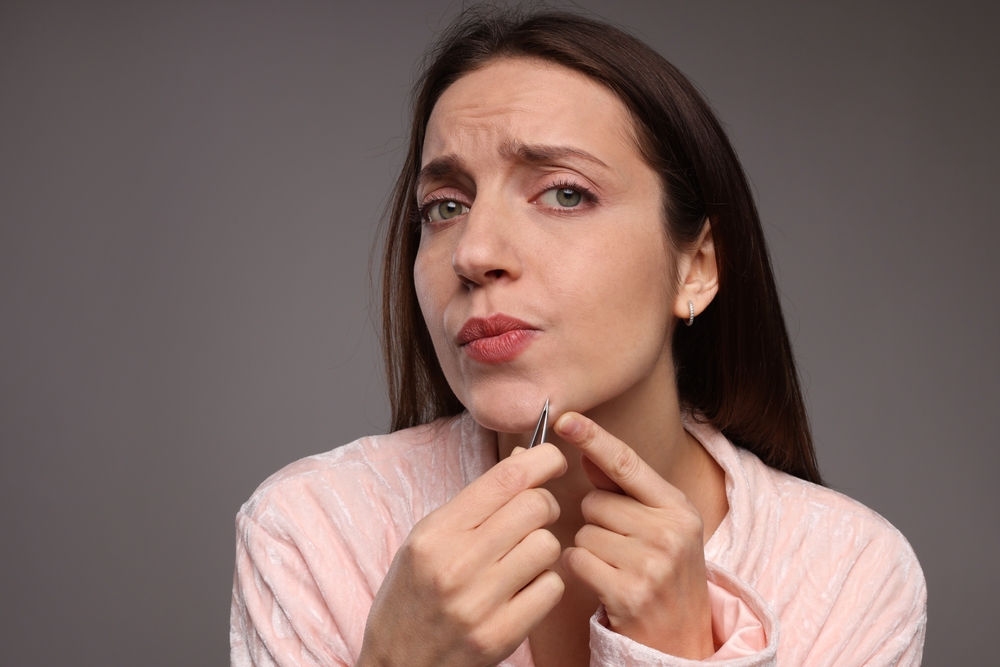
Hirsutism is a condition of unwanted, male-pattern hair growth in women. Hirsutism results in excessive amounts of dark, coarse hair on body areas where men typically grow hair — face, chest and back.
The amount of body hair you have is largely determined by your genetic makeup. There's a wide range of normal hair distribution, thickness and color due to differences in heredity. However, hirsutism is a medical condition that can arise from excess male hormones called androgens, primarily testosterone. It can also be due to a family trait.
A combination of self-care and medical therapies provides treatment for many women with hirsutism.
Symptoms
Hirsutism is stiff and dark body hair, appearing on the body where women don't commonly have hair — primarily the face, chest and back. What's considered excessive can vary depending on ethnicity and culture.
When excessively high androgen levels cause hirsutism, other signs might develop over time, a process called virilization. Signs of virilization might include:
- Deepening voice
- Balding
- Acne
- Decreased breast size
- Increased muscle mass
- Enlargement of the clitoris
Common Causes of Hirsutism
- Polycystic Ovary Syndrome (PCOS) — the most common cause of hirsutism, characterized by hormonal imbalance and ovarian cysts
- Congenital Adrenal Hyperplasia — a genetic condition affecting adrenal hormone production
- Cushing's Syndrome — excess cortisol production leading to hormonal imbalances
- Adrenal or Ovarian Tumors — rare but serious causes of excess androgen production
- Medications — certain drugs like anabolic steroids or danazol can cause hirsutism
- Idiopathic Hirsutism — when no identifiable cause is found, but there may be increased sensitivity to normal androgen levels
When Should You Seek Evaluation?
Consider consulting a specialist if you experience:
- Sudden or rapid onset of excessive hair growth
- Hair growth accompanied by other signs of virilization (deepening voice, balding, acne, decreased breast size)
- Irregular menstrual periods
- Difficulty managing weight or sudden weight gain
- Hirsutism that significantly affects your quality of life or self-esteem
Diagnosis & Treatment
A thorough evaluation includes a detailed medical history, physical examination, and specialized tests. Diagnosis typically involves hormonal blood tests to measure levels of testosterone, DHEA-S, and other androgens. Imaging studies like ultrasound may be performed to evaluate the ovaries and adrenal glands.
Treatment options depend on the underlying cause and may include:
- Lifestyle modifications — weight loss and exercise can help reduce androgen levels in women with PCOS
- Hormonal contraceptives — birth control pills can help regulate hormones and reduce hair growth
- Anti-androgen medications — such as spironolactone to block androgen effects
- Topical treatments — creams that slow hair growth
- Hair removal methods — laser hair removal, electrolysis, or other cosmetic approaches
As an endocrinologist, my focus is on identifying and treating the hormonal root causes of hirsutism, working closely with patients to develop personalized treatment plans that address both the medical condition and its impact on quality of life.