
 Diabetes
 Gestational Diabetes
 Pediatric Diabetes
 Thyroid Disorders
 Obesity
 Short Stature
 Infertility
 Hirsutism
 Hypogonadism (Delayed
puberty)
Hypogonadism (Delayed
puberty)
 Polycystic Ovarian
Disorder
Polycystic Ovarian
Disorder
 Osteoporosis
 Menopausal Problems
 Sexology Disorder
 Pituitary and
adrenal disorder
Pituitary and
adrenal disorder
 parathyroid, osteoporosis
and other metabolic bone
diseases
parathyroid, osteoporosis
and other metabolic bone
diseases
Osteoporosis
Osteoporosis
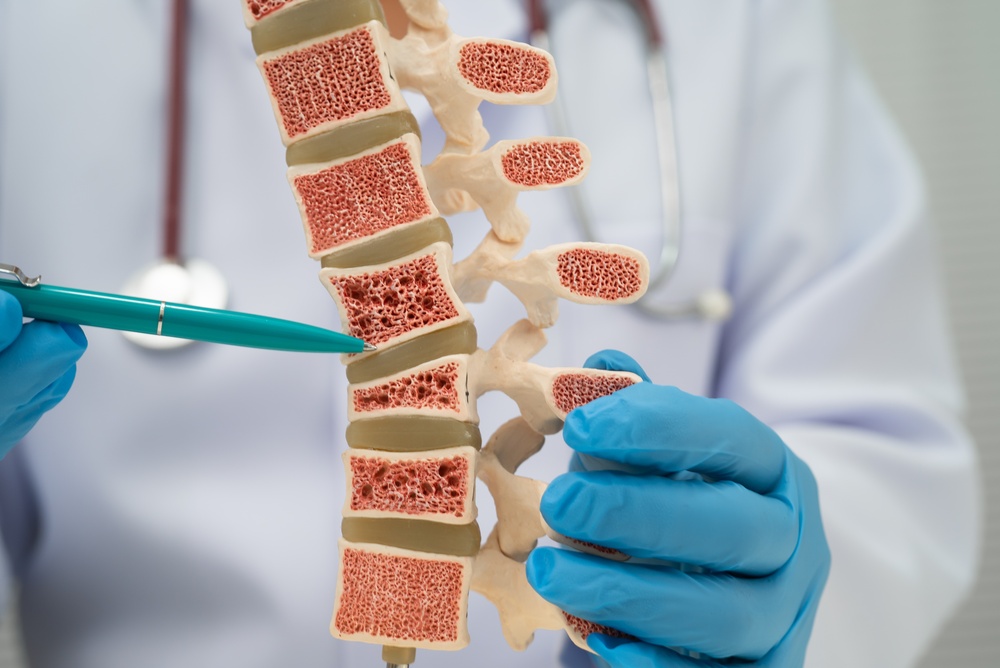
Osteoporosis is a condition characterized by a decrease in the density of bone, decreasing its strength and resulting in fragile bones.
Osteoporosis literally leads to abnormally porous bone that is compressible, like a sponge. This disorder of the skeleton weakens the bone and results in frequent fractures (breaks) in the bones.
Understanding Bone Health
Normal bone is composed of protein, collagen, and calcium, all of which give bone its strength. Bones that are affected by osteoporosis can break (fracture) with relatively minor injury that normally would not cause a bone to fracture. The fracture can be either in the form of cracking (as in a hip fracture) or collapsing (as in a compression fracture of the vertebrae of the spine).
The spine, hips, ribs, and wrists are common areas of bone fractures from osteoporosis although osteoporosis-related fractures can occur in almost any skeletal bone.
Osteoporosis literally means "porous bone" — bone that is weak and more likely to fracture.
Osteoporosis vs. Osteopenia
Risk Factors for Osteoporosis
- Age — Bone density decreases with age, especially after menopause
- Gender — Women are at higher risk, particularly post-menopausal women
- Family History — Having a parent with osteoporosis or hip fracture
- Body Size — Small, thin body frame increases risk
- Hormonal Changes — Low estrogen (menopause), low testosterone
- Dietary Factors — Low calcium and vitamin D intake
- Lifestyle — Sedentary lifestyle, smoking, excessive alcohol consumption
- Medical Conditions — Hyperthyroidism, hyperparathyroidism, eating disorders
- Medications — Long-term use of corticosteroids, certain anti-seizure medications
Common Symptoms
- Back pain caused by fractured or collapsed vertebra
- Loss of height over time
- Stooped posture (kyphosis)
- Bones that break much more easily than expected
- Fractures from minor falls or even sneezing/coughing
When Should You Get Screened?
Consider bone density screening if you:
- Are a woman aged 65 or older
- Are a man aged 70 or older
- Have experienced a fracture after age 50
- Have a family history of osteoporosis
- Have a medical condition or take medication that affects bone health
- Are post-menopausal and have risk factors
- Have lost height or developed a stooped posture
Diagnosis & Treatment
Diagnosis of osteoporosis typically involves:
- Medical History & Physical Examination — Including assessment of risk factors and symptoms
- Bone Density Scan (DXA/DEXA) — The gold standard test that measures bone mineral density
- Blood Tests — To check calcium, vitamin D, thyroid, and parathyroid hormone levels
- X-rays — To detect fractures or vertebral compression
Treatment options include:
- Lifestyle Modifications — Regular weight-bearing exercise, balanced nutrition, fall prevention
- Calcium and Vitamin D Supplements — Essential for bone health
- Bisphosphonates — Medications that slow bone loss
- Hormone Replacement Therapy — Estrogen or testosterone therapy
- Selective Estrogen Receptor Modulators (SERMs) — Help maintain bone density
- parathyroid Hormone Therapy — Helps build new bone
- RANKL Inhibitors — Newer medications that prevent bone breakdown
As a Consultant Endocrinologist, I specialize in identifying and treating metabolic bone disorders, helping patients maintain bone health and prevent fractures through comprehensive evaluation and personalized treatment plans.